That Georgia Rhythm
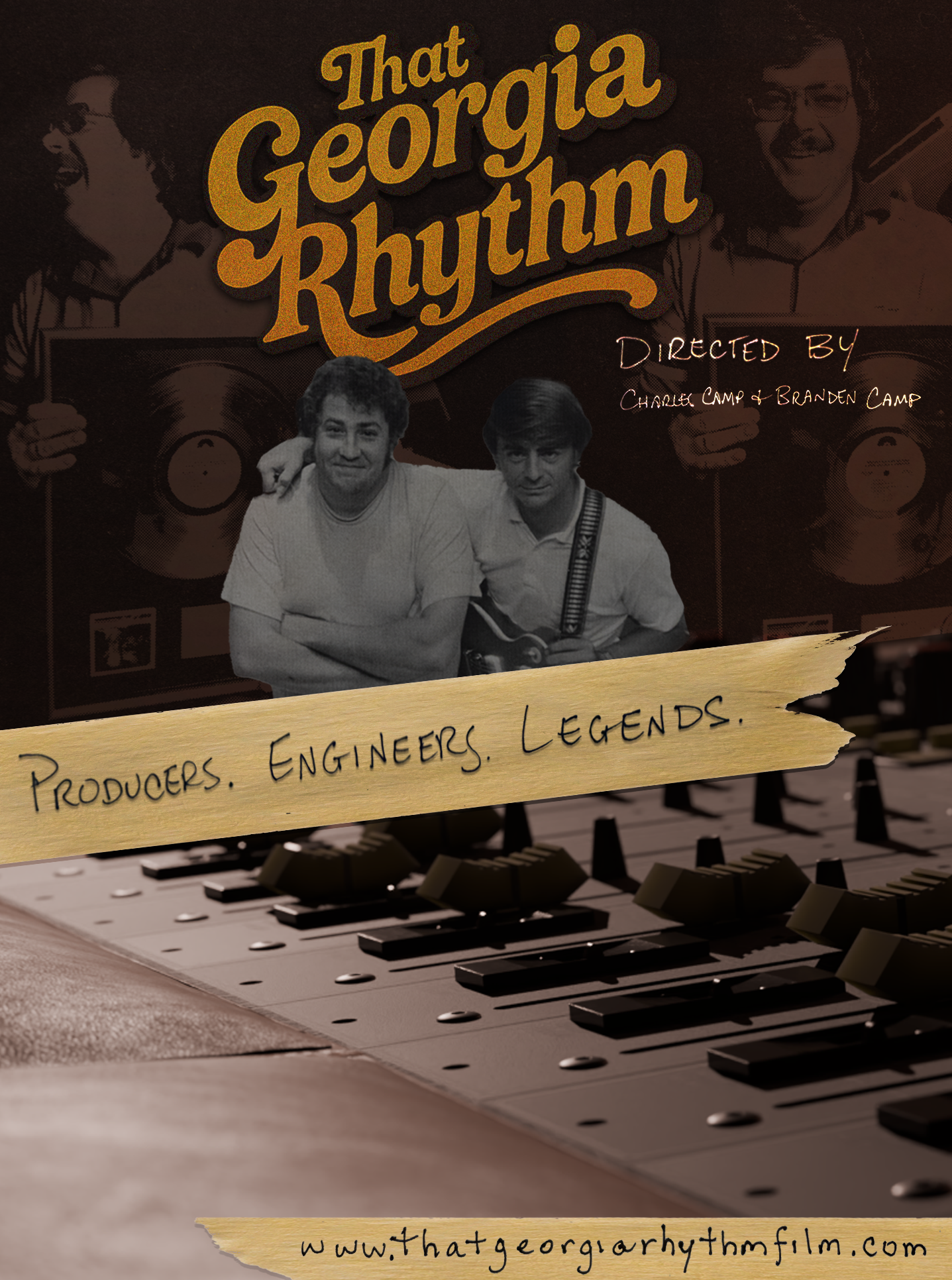
That Georgia Rhythm is a cinematic journey into the soul of Southern rock, revealing the unseen legacy of visionary producer Rodney Mills—the quiet architect behind the sound of legends like Lynyrd Skynyrd and the Atlanta Rhythm Section—whose influence shaped a movement, even as his name remained in the shadows.
That Georgia Rhythm is a feature-length documentary that uncovers the untold story of one of the music industry’s most influential yet largely unrecognized figures, Rodney Mills. Spanning a career that began in the 1960s and continues to the present day, Mills has left an indelible mark across multiple genres of American music. At just 24 years old, Mills was entrusted with overseeing the design and construction of Studio One. After careful consideration with his wife, he made the pivotal decision to leave LeFevre Studios. Studio One soon emerged as a creative powerhouse—becoming the recording home for artists such as Lynyrd Skynyrd, Atlanta Rhythm Section, and 38 Special, among many others throughout the 1970s and 1980s.
From engineering the 1969 hit “Color Him Father” by The Winstons to producing platinum-selling records for 38 Special, Mills’ influence spans decades of musical evolution. When 38 Special faced the possibility of being dropped from their label, they successfully petitioned A&M; Records to allow Mills to step in as producer. Drawing on his technical expertise and distinctive production style, Mills guided the band to their first Top 40 hit—launching a run of four platinum albums and ultimately revitalizing their career. Today, he continues to shape the sound of modern music as a mastering engineer.
Perhaps most unexpectedly, Mills’ legacy extends into hip-hop history. The B-side of “Color Him Father,” titled “Amen, Brother,” contains the iconic “Amen Break”—widely regarded as the most sampled drum loop of all time. Artists from around the world have traveled to Mills’ Masterhouse studio to better understand the origins of this foundational sound, from microphone placement to drum configuration. The film also features a rare recording of a conversation between Rodney Mills and Ronnie Van Zant, in which Van Zant reflects on the critical role Studio One and Mills played in the band’s success.
The documentary further highlights two other pivotal figures: Buddy Buie and Bill Lowery. Together with Mills, they founded Studio One in 1970, transforming Doraville, Georgia into a hub for groundbreaking music. Buie wrote 32 songs that charted on the Billboard Hot 100, while Lowery built a catalog of more than 5,000 songs as a pioneering music publisher. From helping fuel the Southern rock movement to recording disco hits such as “I Love the Nightlife” by Alicia Bridges, Studio One became the birthplace of genre-defining music. It also played a key role in elevating Mother’s Finest, a groundbreaking Black funk-rock band that performed for audiences of up to 20,000—bridging racial divides and demonstrating music’s unique power to unite. That Georgia Rhythm is ultimately a story about the sound of the South and the unsung architects behind it—revealing how a group of visionary creators helped shape the soundtrack of America, and why their influence continues to resonate today.
Project Website: ThatGeorgiaRhythmFilm.com
Facebook: https://www.facebook.com/groups/402571666154085
Director | Branden Camp
Producer/Consultant | Jonathan 'JZ' Zila
3D/Animation Artist | David Simpson
Producer | Charles Camp