Mud and Dreams
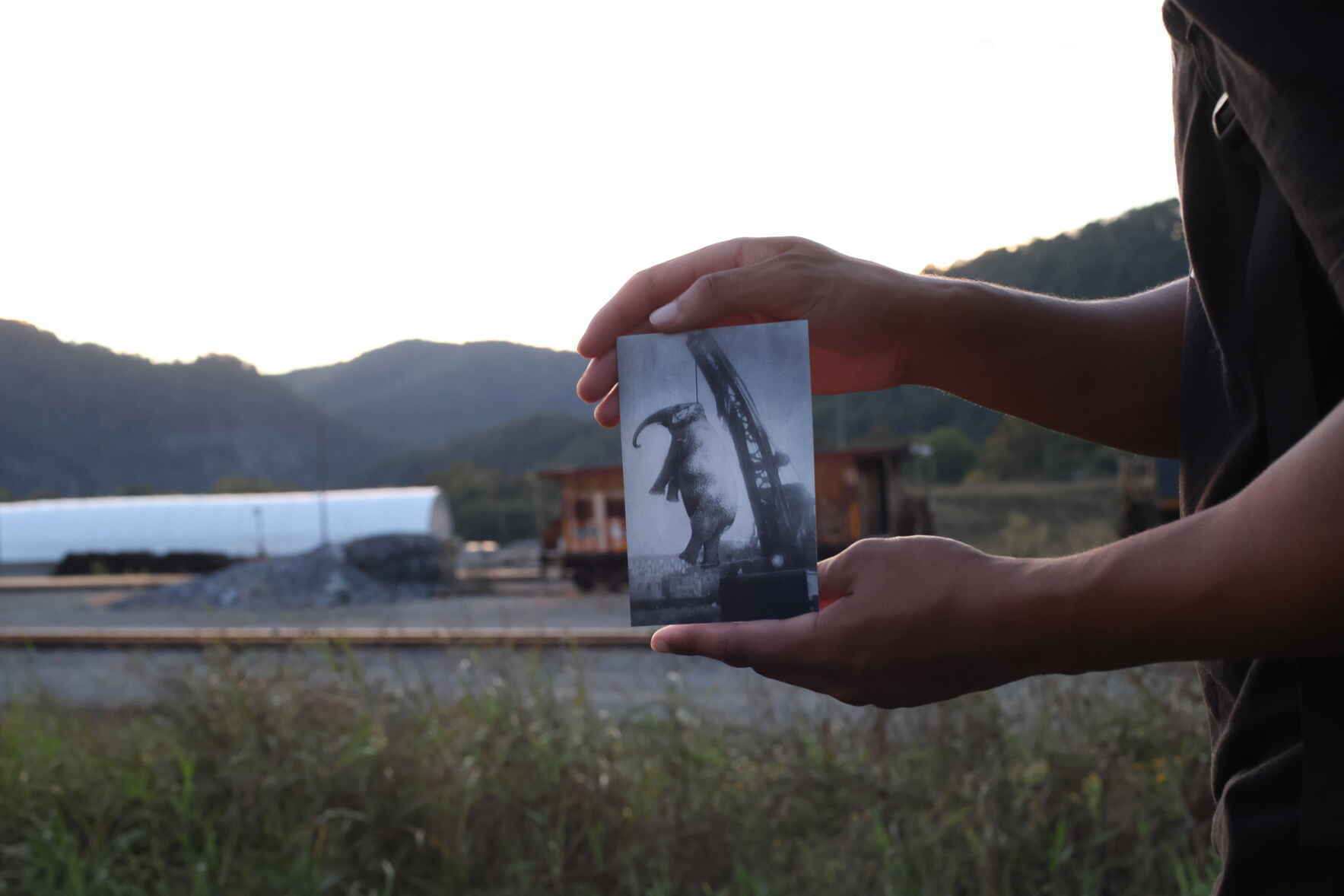
In the Appalachian railroad town of Erwin, Tennessee, a century of mythology surrounding a publicly hanged circus elephant has come to occupy the exact space where another story should live: the 1918 lynching of Tom Devert and the violent expulsion of every Black resident — and a community that has chosen, generation after generation, not to reckon with any of it.
In 1914, Sallie Price and Thomas Devert were married in the mountains of western North Carolina. They had followed the opportunity brought to the region by the railroads, met in middle age and got married. After the wedding they settled in Erwin, Tennessee — a small Appalachian town founded by Southern Unionists, booming with railroad jobs. They bought property and seems, planned to make Erwin their permanent home, but in these early years of marriage they witnessed two events of lasting cultural consequence that would define Erwin for generations and together reveal something essential about how American communities remember violence and who gets to control that memory. In September 1916, in the rail yard across the street from their new home, a circus elephant named Mary was publicly executed in front of several thousand spectators, hanged from a railroad derrick after killing her trainer. Two years later, in the same railroad yards where Mary had been executed and at the hands of the same men, Sallie and the other Black residents of Erwin were forced to watch as a vigilante mob burned Tom's mutilated corpse on a pyre of railroad ties before being chased from the town entirely — an act of racial cleansing that forced out a community and destroyed livelihoods — met, for decades, with silence, deflection, and denial from the white majority.
Producer, Director, Editor | Kyle Kramb