Before We Drown
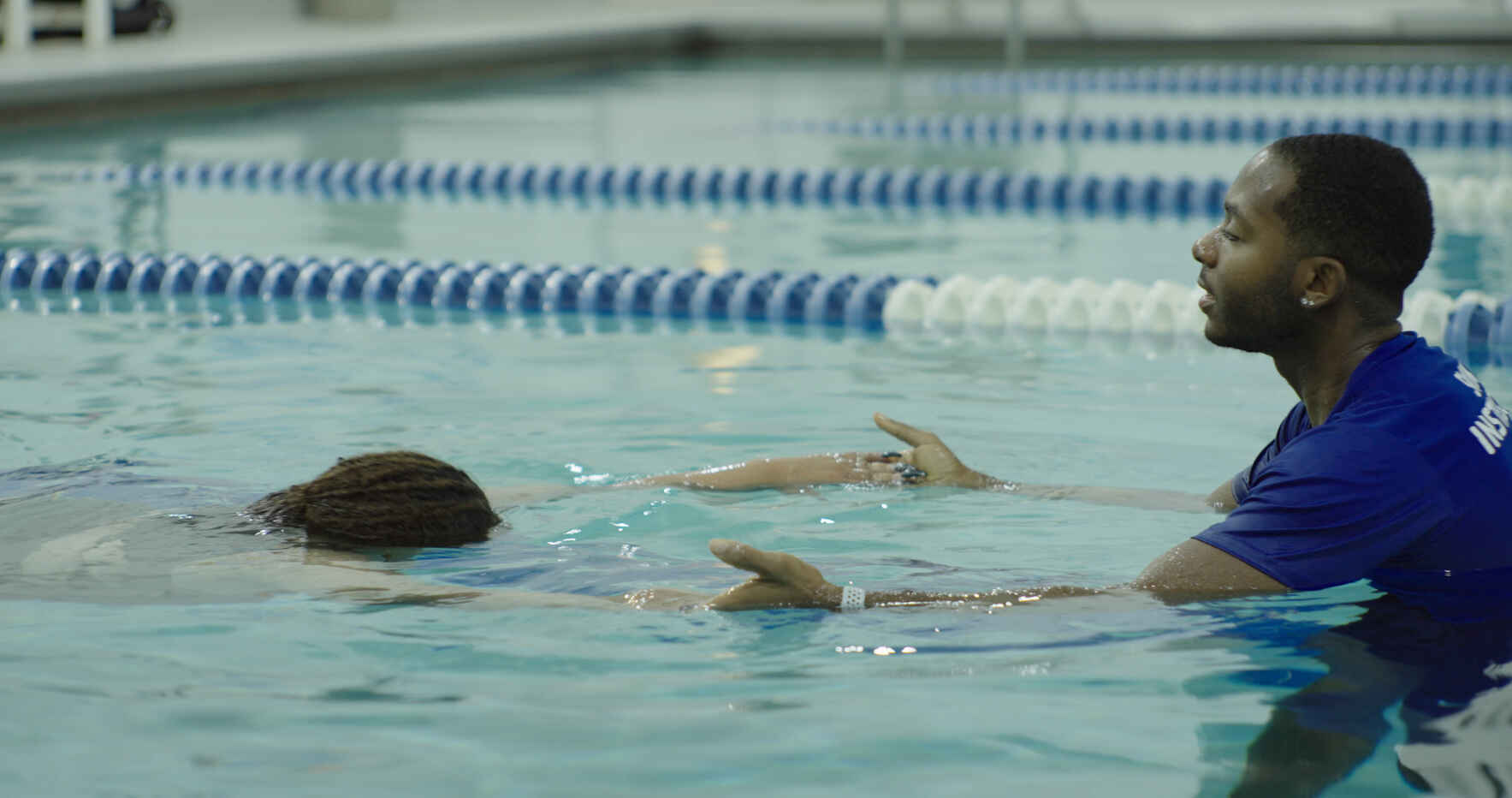
In her documentary directorial debut, Atlanta native Raven-Symoné follows Congresswoman Nikema Williams as she learns to swim at 48, exploring generational barriers to swimming in Southern Black communities. The film confronts a national crisis and calls for action to protect all American families from the overlooked and underestimated reality of drowning.
Before We Drown is a short, cinematic, vérité-and-interview documentary directed by Raven-Symoné that follows Congresswoman Nikema Williams (GA-05) as she learns to swim at 48 at Atlanta’s historic Andrew & Walter Young YMCA. Her lessons open the door to a question rooted in generations of Southern Black history: why have so many Americans been denied the opportunity to learn a lifesaving skill? What begins as an exploration of racial and socioeconomic barriers reveals a national public-health crisis that transcends race, geography, and income. Drowning is the leading cause of death among children ages 1 to 4 in the United States.
The film unfolds through three chapters. Fear examines the inheritance of segregated and shuttered pools, cultural misconceptions, financial barriers, and the shame that keeps people from admitting they cannot swim – with deadly consequences. Desire follows Nikema, alongside young children and a chorus of older Black women who swim for pleasure and health, reclaiming water as a source of confidence, connection, and joy. Freedom explores what meaningful prevention looks like, from individual survival skills to community investment and national policy, asking what it will take to make water safety accessible to every American family.
Through conversations with Hannah Palmer, author of The Pool Is Closed, emergency physician and advocate Dr. Sarah Gard Lazarus, and Melvin Glaize, who swam with Dr. Martin Luther King Jr.'s family as a child, the film examines how history continues to shape access. Two families reveal the devastating human stakes. Alongside their surviving son Christian, Albert “Shivy” and Crystal Brooks recount losing their teenage son, Bryce, while he attempted to rescue other children from drowning off a Florida beach. Former NFL player Bruce Irvin shares, for the first time on camera, his experience saving his toddler son Beau, who sustained a severe brain injury following a drowning incident and continues a remarkable journey of rehabilitation.
Yet the film also reveals what happens when communities take action. Georgia State Representative Tangie Herring explains how, after recognizing the lack of swimming education in her district, she secured private-sector funding to establish a swim camp for children in Macon County. The program’s substantial waitlist demonstrated that families were eager to provide their children lifesaving skills, but access had failed to meet demand. Her initiative offers a tangible example of how public leadership and private investment can address a preventable problem.
During filming, an unexpected discovery brings the issue even closer to home: Nikema's 11-year-old son Carter cannot swim as well as she believed. The moment raises a critical question: what does it actually mean to know how to swim? Across every age and demographic, there are misconceptions that keep people unsafe and must be addressed. Dr. Gard Lazarus examines the limitations of infant survival-swimming programs, Bruce emphasizes CPR education, and the Brooks family advocates for lifeguards at public beaches. Swimming ability alone does not eliminate drowning risk, as people do not always understand the limitation of their skills, such as in unpredictable conditions such as rip currents, for children who can swim in shallow water but not the deep end, and for older Americans whose facilities have declined. Nikema carries these lessons into her work in Congress, calling for renewed federal investment in drowning research and prevention.
Throughout the film, Atlanta women who swim for exercise and joy serve as its visual muses. Among them is Charlean Parks, who learned to swim in her 40s and went on to become an Ironwoman, competing in endurance events that require miles of open-water swimming. Introduced early in Nikema's journey, Charlean embodies what is possible when fear gives way to confidence. Our muses are filmed swimming jubilantly at the YMCA and appearing in former swimming spaces across the city, a choreographed, cinematic expression of reclamation and possibility. Spontaneous conversations with everyday Atlantans return us to a deceptively simple question: Do you know how to swim?
Beginning with the lived experiences of Southern Black communities, Before We Drown ultimately confronts an American reality: water does not discriminate, but access to lifesaving education and prevention remains unequal.Through personal transformation, profound loss, and practical solutions, the film calls for collective, bipartisan action to protect families everywhere.
Director | Raven-Symoné
Producer | Camaree Barr
Producer | Azza Cohen
Producer | Miranda Maday